
Luxury performance is a system, not a single headline figure. Power delivery, ride comfort, steering, brakes, tyres, noise and running costs all shape how a car behaves over the course of an ordinary week.
Power and torque in plain English
Power describes how quickly an engine or motor can do work. Torque is a turning force: it helps explain the push available at the wheels. The two are related, and neither number alone tells you how a vehicle will feel. Gearing, vehicle mass, traction and the way output arrives all matter. An electric motor may deliver response differently from a petrol engine; a hybrid combines an engine and electric assistance according to its design. Diesel, petrol, hybrid and battery-electric options each have distinct operating and ownership considerations.
Acceleration is one part of performance. Sustained performance also depends on cooling, battery or fuel management, transmission behaviour and the conditions in which the vehicle is used. A car that feels responsive in a brief manoeuvre may have different strengths from one designed to maintain its capability over a longer period. Compare the intended use, not just an isolated figure.
Chassis, steering and ride
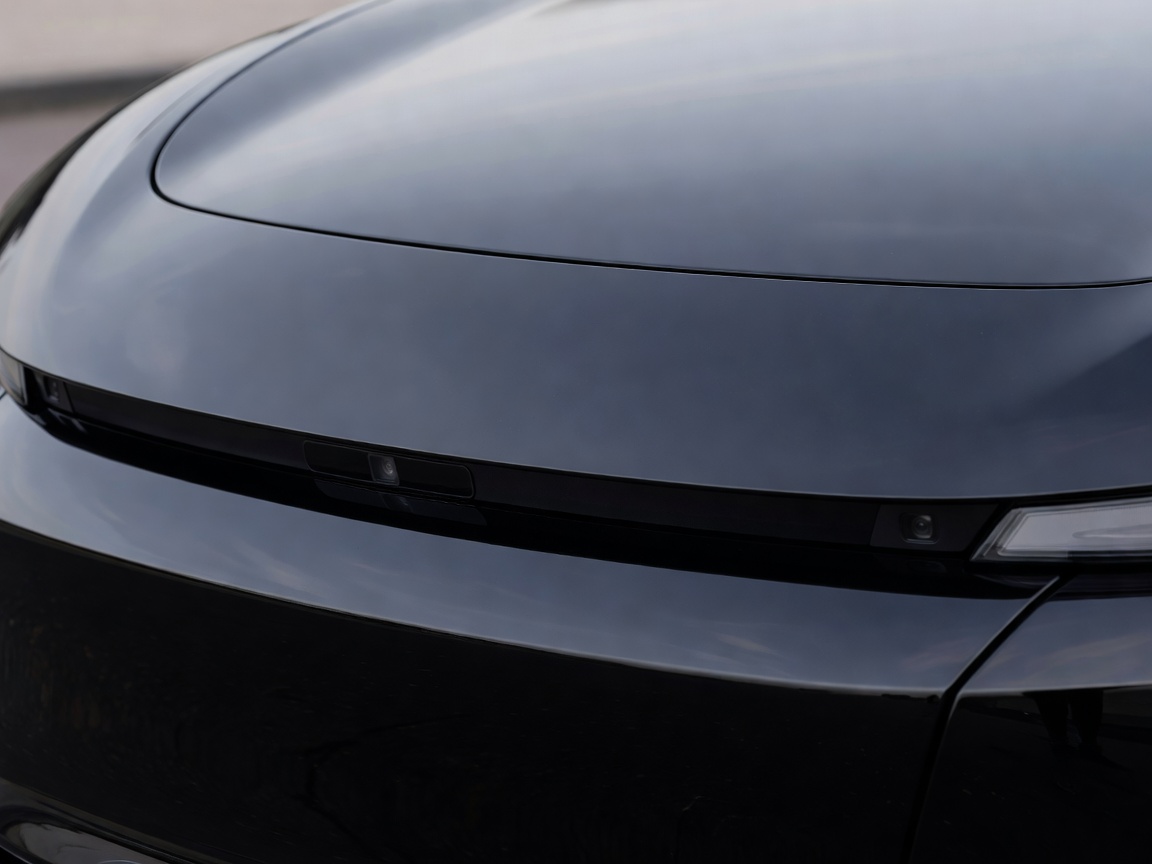
The chassis is the vehicle structure and the systems that influence how it meets the road. Suspension springs support the body; dampers control how quickly those springs move. Engineers tune these parts alongside bushings, steering and tyres. A softer setup can absorb rough surfaces and help passengers relax. A firmer setup may limit body movement and make responses feel more immediate, but can transmit more bumps into the cabin.
Steering feel is not simply heaviness. It includes how consistently the car responds, how much effort is needed and how clearly the driver can sense the road through the wheel. Modern assistance can alter that sensation, and tyres, alignment and road surfaces make a difference. A short test drive on smooth tarmac may not reveal the whole character, so consider the routes you use most.
Brakes convert motion into heat. The size and design of the braking system, the vehicle’s mass, cooling and brake materials influence feel and repeated use. Tyres are equally fundamental: their construction and dimensions affect grip, noise, comfort and response. Larger wheels can offer a particular look or packaging advantage, but a lower-profile tyre may have less sidewall to cushion sharp impacts.
Aerodynamics and thermal control
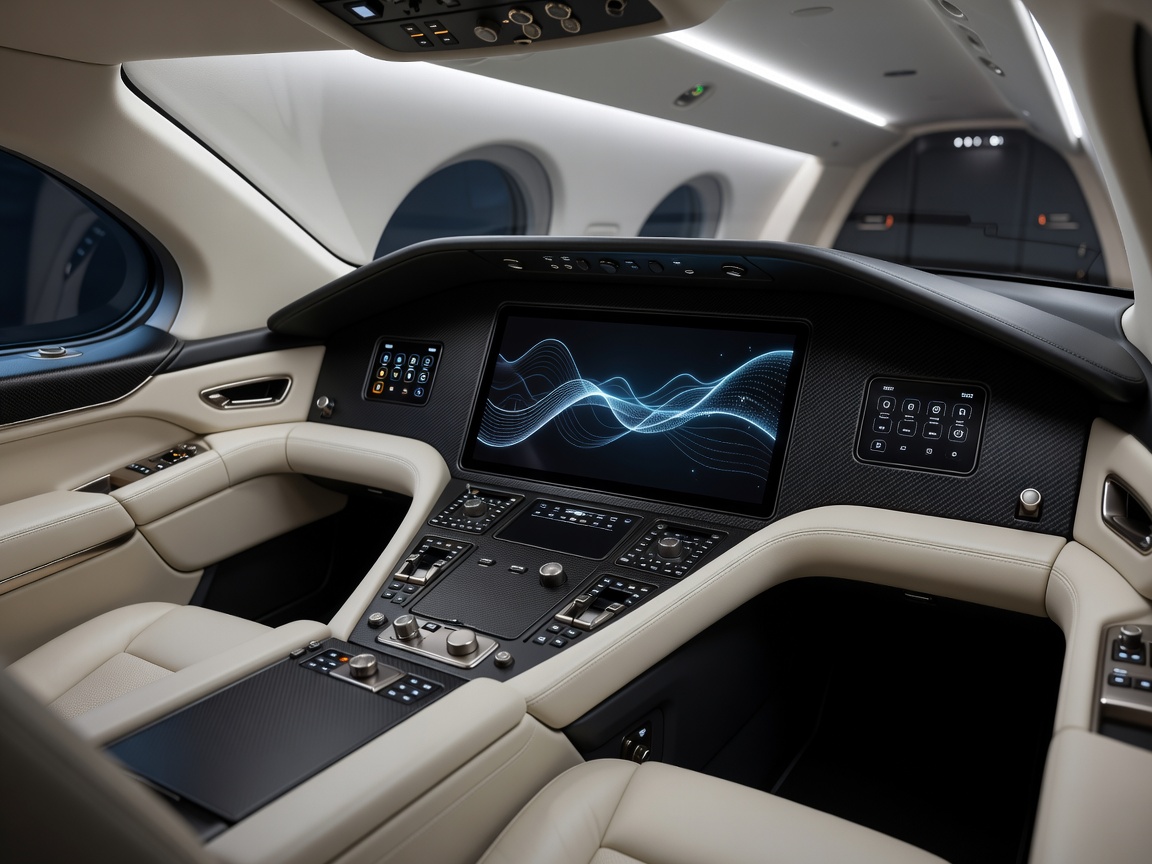
Aerodynamics concerns the vehicle’s interaction with air. Reducing drag can support efficiency; managing lift and airflow can contribute to stability and cooling. Those aims must work with cabin space, visibility and styling. Thermal management is the control of heat in components such as engines, batteries, motors and brakes. It helps components operate within intended conditions, but the details vary widely between vehicles. For a buyer, service documentation and manufacturer guidance are more useful than assuming all powertrains behave alike.
Performance you can live with
A high-output vehicle can bring higher tyre, brake, insurance or energy costs, depending on the model and market. Firm suspension and large wheels may feel engaging on a smooth road but less agreeable on broken streets. Electrified vehicles may offer a different driving character and may need charging planning; conventional powertrains bring their own fuel and maintenance needs. Ownership costs depend on use, local prices, warranty terms, servicing and the exact vehicle.
Published specifications can change with model year, market, trim, equipment and testing method. When a number matters, verify it against current manufacturer information for the exact vehicle. Compare like with like: body style, options, wheel size, drivetrain and test conditions can alter what a figure means. Do not treat a brochure number as a promise of real-world results.
Vehicle comparison checklist
- Identify the exact powertrain, model year, market and equipment level.
- Compare power and torque alongside vehicle mass and drivetrain layout.
- Test ride comfort on familiar road surfaces and at ordinary speeds.
- Assess steering response, brake feel and visibility without driving aggressively.
- Check tyre size, replacement availability and expected running costs.
- Review servicing, warranty, fuel or charging needs and ownership terms.
- Choose the balance that fits daily use rather than chasing a single statistic.
Trade-offs worth considering
Comfort versus sharp handling: a composed ride may involve more body movement; a taut setup can feel busy on rough surfaces. Large wheels versus ride quality: appearance and response must be weighed against cushioning, tyre cost and pothole exposure. High power versus running costs: capability can be rewarding, but tyres, brakes and energy use may rise. Conventional versus electrified power: compare refuelling or charging routines, local service support and how the car will be used. None of these choices has one correct answer for every driver.
Good to know
Vehicle specifications are not universal. Verify figures, equipment and service requirements for the precise model year and market you are considering. This guide is educational, not mechanical or driving instruction.
Performance is most satisfying when control, comfort and response feel balanced. A careful comparison on suitable roads, combined with reliable documentation, is more informative than chasing a top-line number. Always follow road rules and the vehicle manufacturer’s operating guidance.